What's Blooming
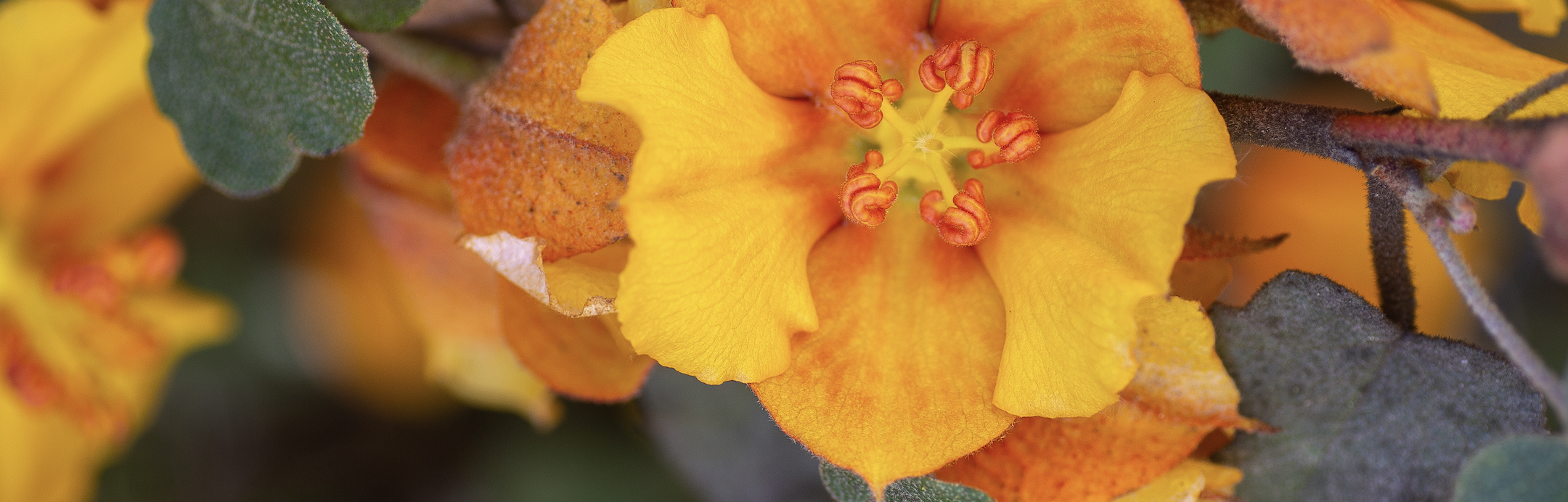
Fremontodendron californicum, or California flannelbush found in the California Entrance Garden
There are literally thousands of interesting individual plants in the Arboretum and Botanical Garden's collections. There's always something blooming in the gardens though our most prolific blooming begins in December-January and goes through late Spring.

To help you decide where to start, below we present a sample of some of the specimens worth seeking out in our gardens. You may also access a larger selection of images that illustrate what plants bloom in our gardens by checking out the photo gallery on the Garden Snapshots page.
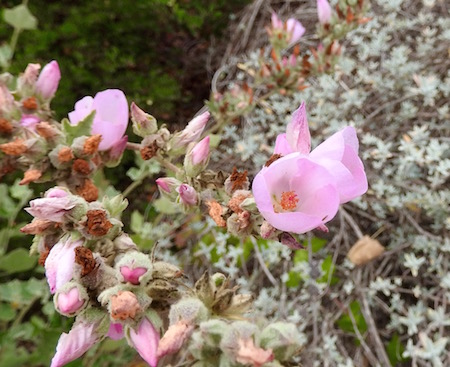
California Entrance Garden and the Coastal Prairie
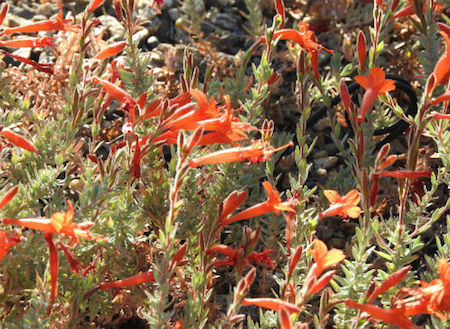
The California Entrance Garden boasts many special plants of interest to gardeners. Many of these were originally selected in the wild by Garden staff, and have since been propagated and released to the horticultural trade. The more recently installed Coastal Prairie garden is located around the domes, also known as the Future Gardens.
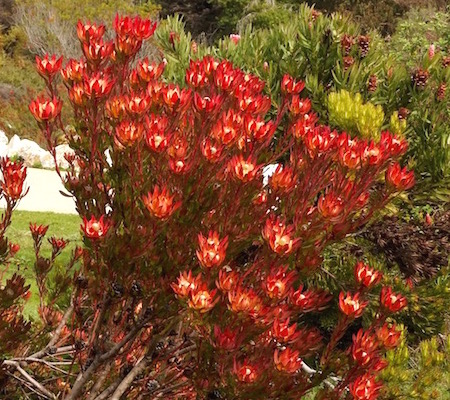
South African Garden
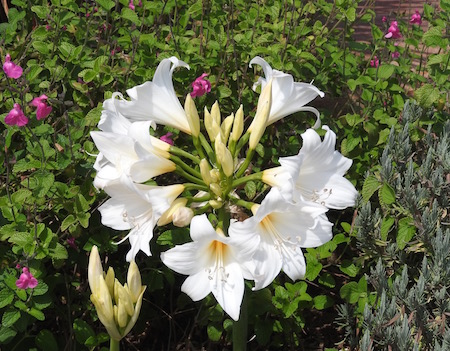
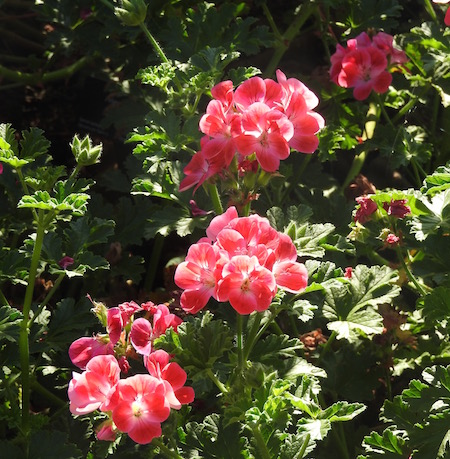
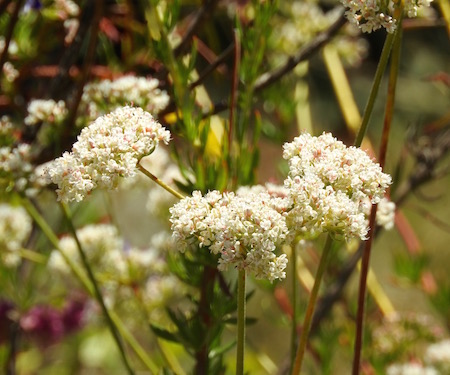
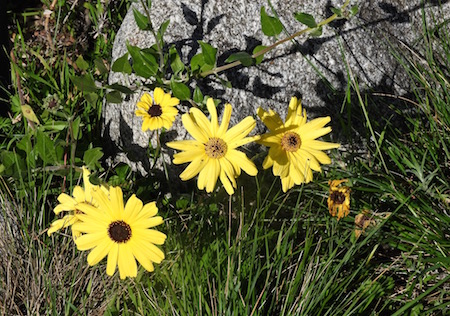
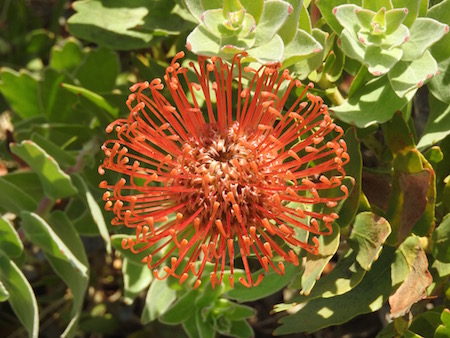
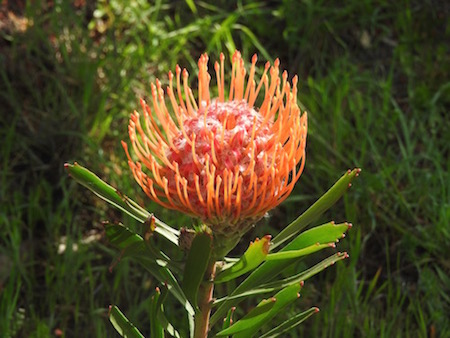
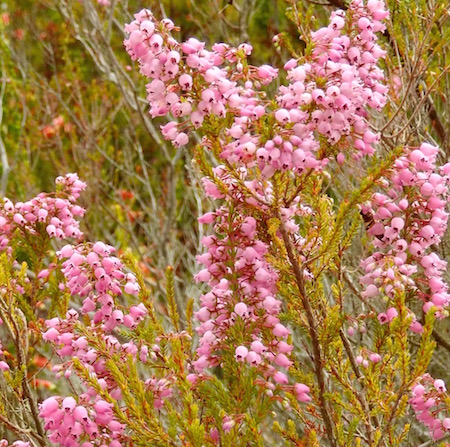
Many brilliant colors and fascinating plants can be found throughout the South African garden, particularly during the wet season which is oftentimes between November and April. Nowadays, many of these species can be found in local home gardens. Visit Norrie's Gift & Garden Shop if you'd like to purchase some of these incredible plants for your garden. Don't miss the South African Pelargonium Beds, the Restio Maze & the S. African Rock Garden during your visit to this garden.
New Zealand Garden / Australasian Garden
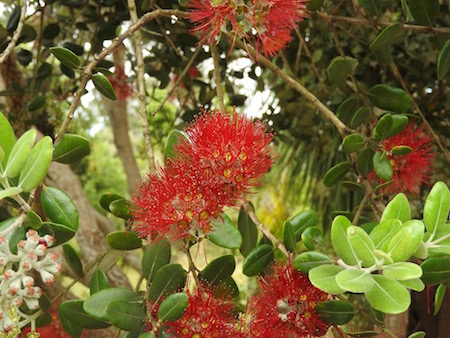
Many New Zealand plants and trees have become familiar to California gardeners. Look for the Metrosideros kermadecensis 'Radiant', an evergreen tree in the myrtle family often referred to as the New Zealand Christmas tree.
Australian Garden
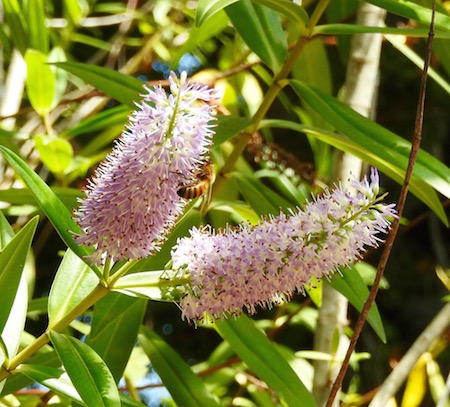
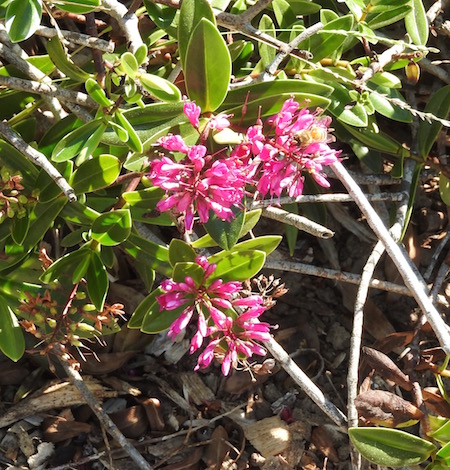
A stroll through the Australian Gardens is always a feast for the senses. There is always a variety of banksias and grevilleas in bloom of every form and hue, no matter the time of year. Both are great favorites of the hummingbirds that zip around the garden. Some examples are the attractive Banksia media and the Grevillea 'Canberra Gem'.
There is also a wide diversity of other plants of interest. These include the Callistemon viminalis 'Little John' and Correa ‘Strawberries and Cream’.
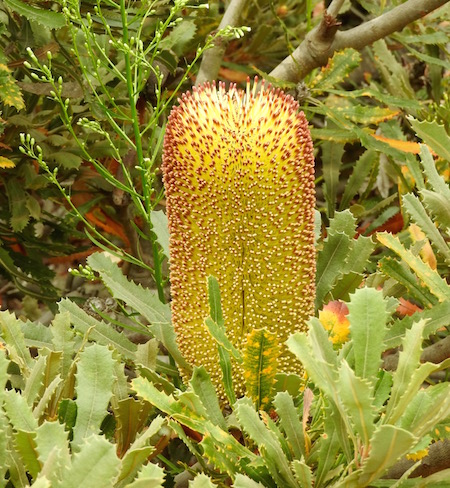
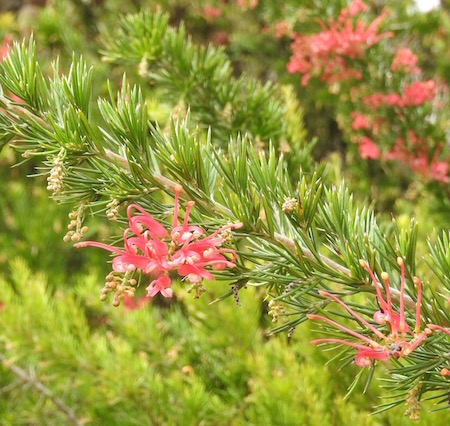
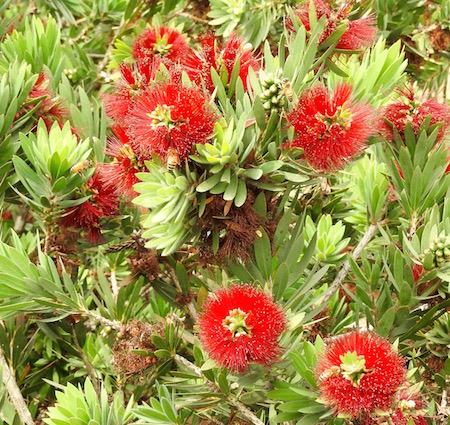
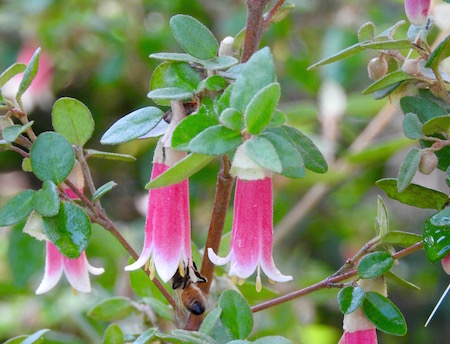
Learn about banksias from Melinda Kralj, Australian Garden curator, and the Outback Howlers.
Aroma & Succulent Gardens
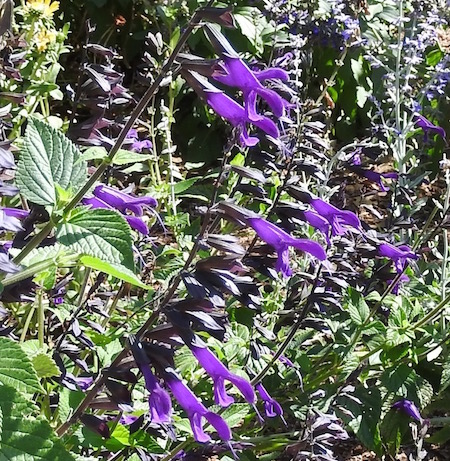
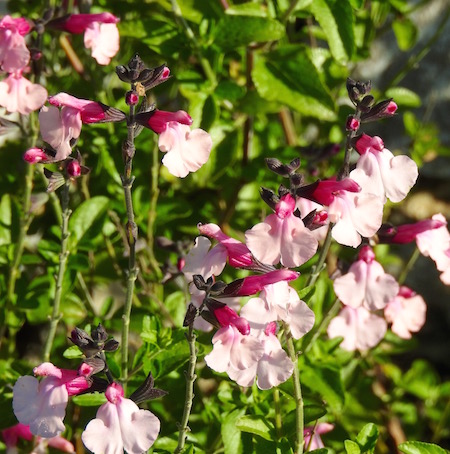
The Aroma Garden contains salvias of all shapes and sizes, lavenders, oreganos, thymes, and many other drought-tolerant perennials and shrubs can be seen. You will see many plants that produce their aroma from their flowers, and many which produce their aroma from their leaves.
The Succulent Garden's collection focuses on succulents from the coastal areas of Mexico and California. Examples of beautiful and interesting cactus and succulents are exhibited in this garden such as Agave victoriae-reginae, a small species of succulent flowering perennial plant popular as an ornamental.